Introduction:
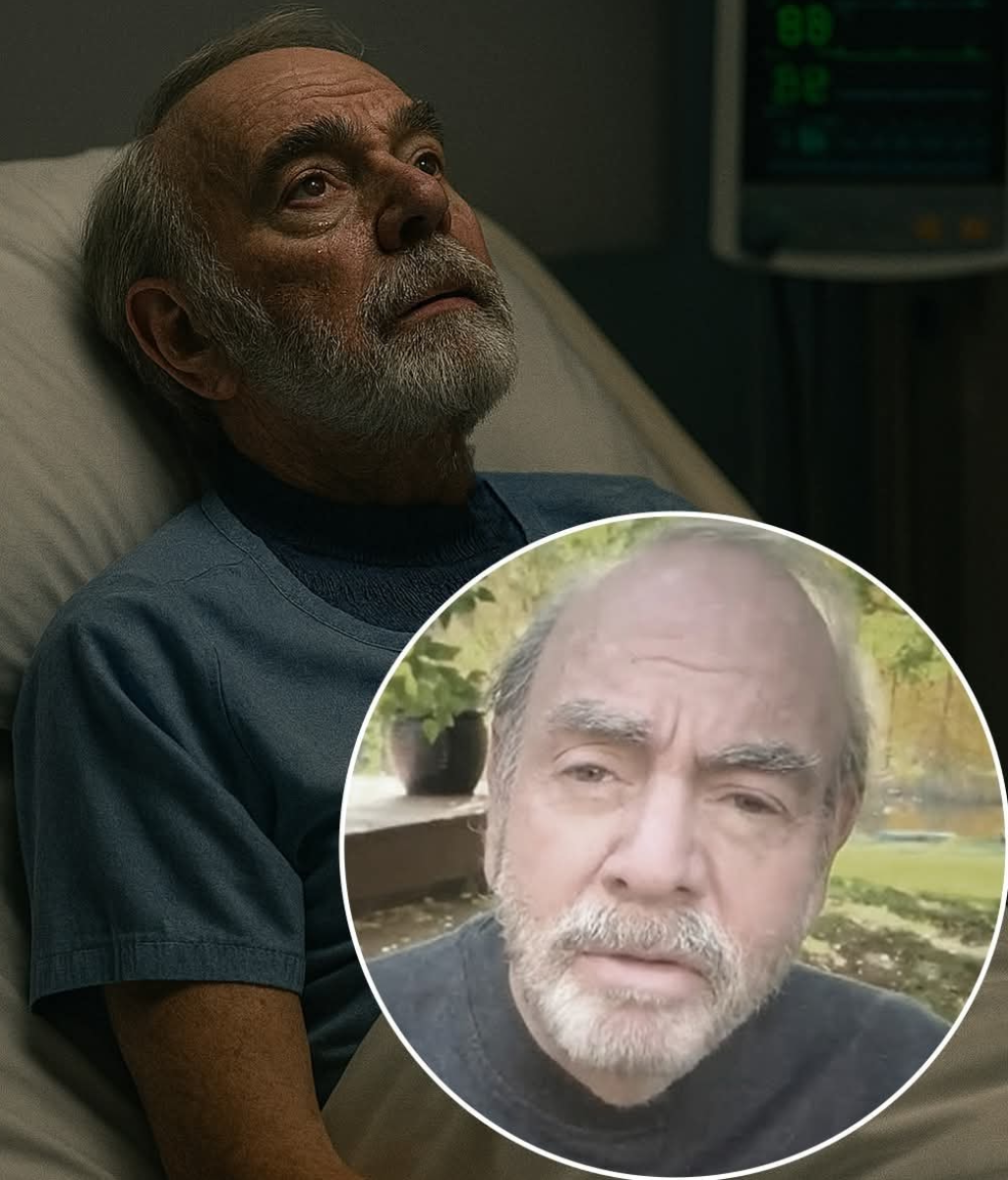
THE FINAL CURTAIN CALL: Neil Diamond Ends Touring Career After Parkinson’s Diagnosis — “It Was Time”
The stage lights dimmed one final time — not with fireworks or encores, but with the quiet dignity that has always marked Neil Diamond’s career.
In January 2018, just days before his 77th birthday, the legendary singer-songwriter announced his retirement from touring after being diagnosed with Parkinson’s disease. For millions around the world, it felt like the closing chapter of a story that had spanned more than five decades — a farewell to one of music’s most enduring and beloved voices.
“It is with great reluctance and disappointment that I announce my retirement from concert touring,” Diamond said in an emotional statement. “I have been so honored to bring my shows to the public for the past 50 years.”
The news struck deep. Generations had grown up with Neil’s songs — the soaring joy of Sweet Caroline, the tender ache of Hello Again, the grit of Love on the Rocks. His voice wasn’t just music; it was a companion through love, loss, celebration, and change.
The diagnosis came after months of private struggle. Parkinson’s — a progressive neurological disorder that affects movement and coordination — forced the cancellation of the final leg of his 50th Anniversary tour. Yet, in true Neil Diamond fashion, he met the moment with humility and resolve.
“I plan to remain active in writing, recording, and other projects for a long time to come.”
It was a promise that fit the man. From I Am… I Said to Solitary Man to America, Neil’s music has always been grounded in truth and emotional honesty. His artistry never relied on spectacle alone — it lived in the words, the melodies, and the deep connection he built with audiences.
Born in Brooklyn in 1941, Neil began his career as a songwriter in the early ’60s before his voice took center stage. Over the decades, he sold more than 130 million records worldwide, earned a place in both the Rock and Roll Hall of Fame and the Songwriters Hall of Fame, and penned songs recorded by artists ranging from Elvis Presley to UB40.
But more than the accolades or the sales, Neil Diamond’s greatest achievement has been his ability to make a stadium feel like a living room — to bring tens of thousands to their feet while still speaking directly to the lonely heart in the back row.
When the news of his retirement broke, social media overflowed with tributes. Fans shared stories of concerts that became lifelong memories, first dances set to his songs, and road trips scored by that unmistakable baritone.
“He gave us a voice when we didn’t know what to say,” one fan wrote. “Now it’s our turn to say thank you.”
And so, as Neil steps away from the road, he does so not in defeat but in grace — choosing health, family, and peace over the relentless demands of touring. His voice will no longer echo through packed arenas, but it will live on in the places it matters most: in the memories of those who sang along, and in the enduring truth of his own words:
“Good times never seemed so good.”