Introduction:
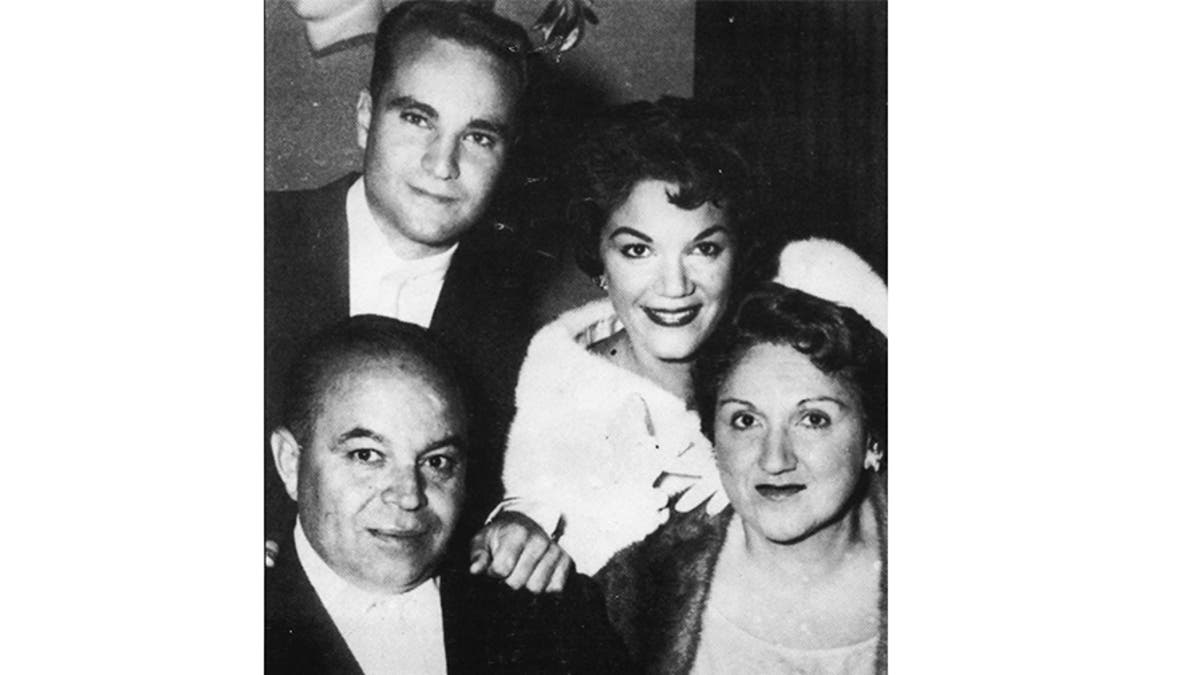
“The Secret That Broke Her”: At 86, Connie Francis Shatters a Silence That Haunted Hollywood for Decades
For over half a century, Connie Francis wore the mask of a star — glittering, unbreakable, untouchable. But behind the spotlight, behind the soaring voice that once ruled the airwaves, lived a secret so devastating, it threatened to consume everything she had ever loved.
Now, at 86 years old, the woman once known as America’s Sweetheart has broken her silence. And what she reveals will shake the foundations of the industry that made her — and tried to break her.
With a steady but heavy voice, Connie Francis admits what she could not say for decades: her brother George’s murder was no accident. It wasn’t a random crime. It wasn’t misfortune. It was a message — cold, calculated, and chilling. A consequence of the battles they fought together behind the velvet curtain of fame.
“No one will hurt you, Connie. Not while I’m around.”
That was the vow George made to his sister long before she became a household name. Back when she was just Ketta from Newark, singing in a cramped kitchen filled with the scent of tomato sauce and the dream of something bigger. George was her protector, her manager, her fiercest defender. And that vow became his mission — one that would ultimately cost him his life.
When “Who’s Sorry Now” catapulted Connie to stardom, it should’ve been the dream realized. But fame came with a dark price. Whispers turned to rumors. Backstage smiles hid sharpened knives. And through it all, George stood his ground — challenging contracts, rejecting predators, shielding her from the wolves dressed in tuxedos.
He made enemies. Powerful ones. And soon, the warnings began: phone calls in the night, veiled threats, men lurking in shadows backstage.
Then, the night came when everything shattered.
Connie received the call that changed her life. George was gone. Murdered. The official story was vague — a robbery, they said. A mistake. But the investigation was filled with holes. Evidence vanished. Witnesses went silent. And every time Connie asked for answers, the door slammed shut.
For decades, she held onto the secret. Performing with tears just beneath the surface. Battling depression, disappearing from the spotlight, tormented by the truth she could never tell.
Until now.
At 86, Connie Francis names names. She speaks of the threats George received, the contracts he refused to sign, the industry elites who offered hollow condolences while hiding sinister motives. Her voice cracks, not with song, but with grief, rage, and finally — freedom.
She says:
“I now believe George was killed not for what he did — but for what he wouldn’t do.”
Her confession is not just personal — it’s an indictment of an entire system. A system that chews up the purest talents, silences their pain, and rewards the powerful who prey behind the scenes.
But in speaking, Connie has done something extraordinary.
She hasn’t just honored her brother’s memory. She has reclaimed her own story. The story of a girl who sang her way out of poverty. Of a woman who was nearly destroyed by love, loss, and the machine of fame. Of a sister who finally found the courage to scream the truth into a world that tried to bury it.
Connie Francis is no longer just the voice behind timeless hits.
She is a survivor. A whistleblower. A legend reborn.
And as she lays bare the pain behind the glamour, one haunting question remains:
What is the true price of fame — and who pays it when the curtain falls?
Her voice, once silenced by fear, now sings with truth.
And this time, the world must listen.