Introduction:
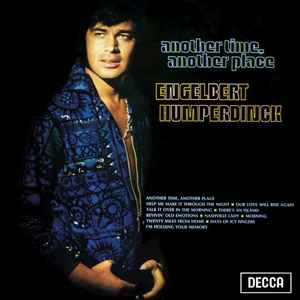
Engelbert Humperdinck – “Another Time, Another Place”: A Song of Love and Longing
When Engelbert Humperdinck released “Another Time, Another Place” in 1971, he added yet another jewel to his crown as one of the world’s greatest interpreters of romance. Known for his ability to take simple words and transform them into sweeping emotions, Engelbert delivered this ballad with the kind of sincerity and velvet warmth that only he could bring.
The song itself is built on a haunting premise—lovers who meet, but cannot stay together. Instead of ending in bitterness, however, the lyrics wrap that heartbreak in dignity and tenderness. The idea that love, though real and deep, sometimes belongs to “another time, another place” is universal. It speaks to lost opportunities, to lives lived in parallel, and to the kind of affection that lingers long after circumstances have forced two people apart.
Engelbert’s performance is what makes the song unforgettable. His voice, smooth yet powerful, carries the ache of memory without descending into despair. There’s a balance in his delivery: a man strong enough to face heartbreak, but vulnerable enough to admit the pain it brings. He doesn’t just sing the lyrics—he inhabits them, pulling listeners into the quiet sadness and beauty of a love that could have been.
When performed live, “Another Time, Another Place” becomes even more intimate. Engelbert had the gift of making an audience feel as though he was confiding directly in them, and this song—poignant and reflective—was the perfect vehicle for that gift. The atmosphere of longing, the subtle phrasing, and the way his voice lingers on certain lines all create a moment where time itself seems to pause.
What makes the song endure is its honesty. Many of us carry memories of a person, a love, or a moment that never fully left us, even though life moved on. Engelbert gave that universal human feeling a voice, wrapping it in melody and grace.
Decades later, “Another Time, Another Place” still resonates because it is not just a song about loss—it is a reminder that some loves are timeless, even if they could not last. And Engelbert Humperdinck, with his unmatched gift for storytelling through song, ensured that such memories would forever find their echo in music.