Introduction
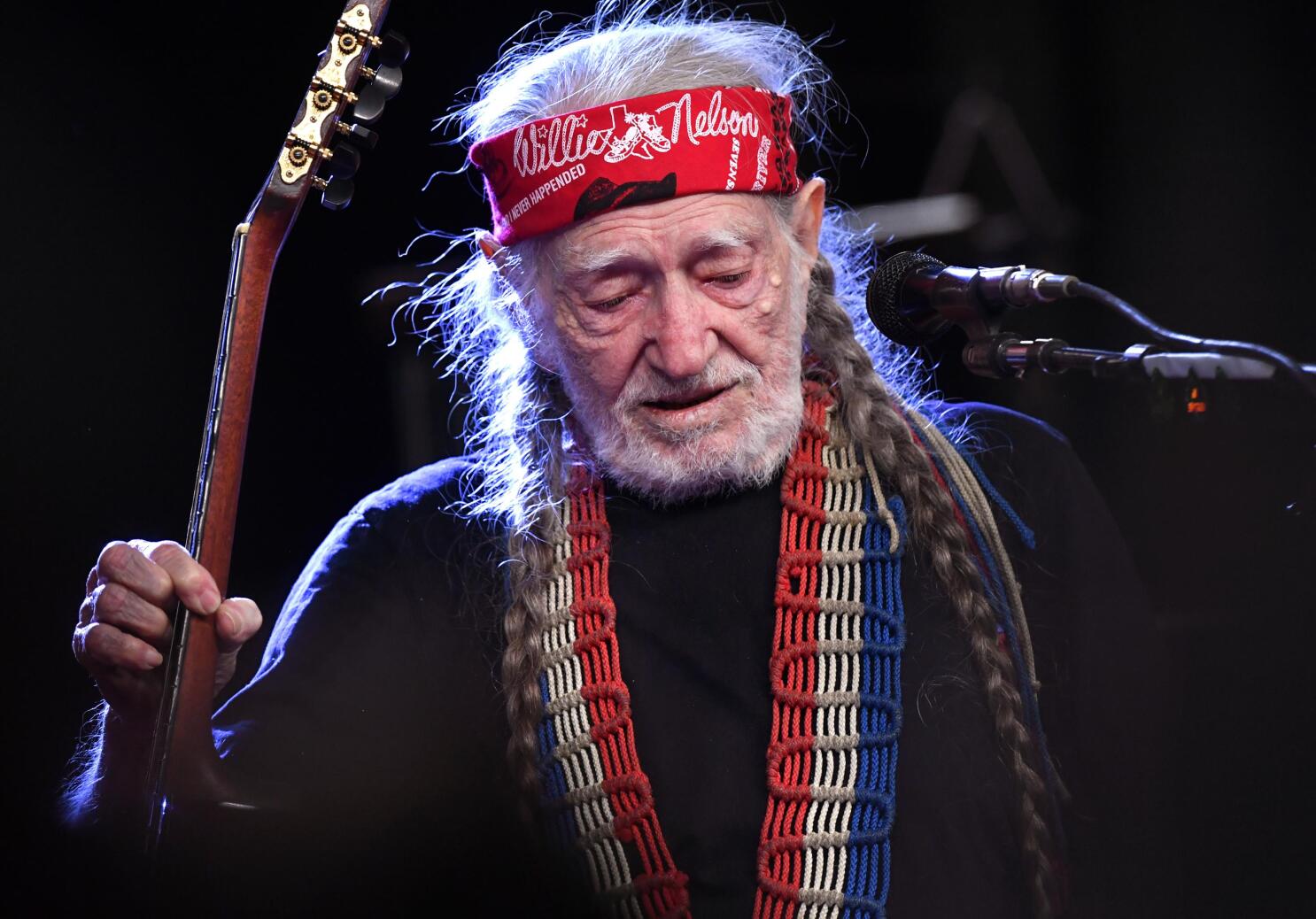
Willie Nelson’s rendition of “You Don’t Know Me,” a classic ballad originally written by Eddy Arnold and Cindy Walker, is a poignant testament to the power of unrequited love and the emotional depth of his vocal style. While many popular versions exist—most famously Ray Charles’s definitive 1962 recording—Nelson’s interpretation, particularly on his 2006 tribute album You Don’t Know Me: The Songs of Cindy Walker, strips the song down to its raw, lonesome core. The song tells the tragic narrative of a man who is a close friend to the woman he secretly loves. He fears revealing his true feelings, afraid that if she knew, she would reject him, leading him to let his chance “go by, a chance that you might love me too.”
Nelson’s unique vocal delivery, with its characteristic weary drawl and behind-the-beat phrasing, perfectly embodies the narrator’s quiet, internalized heartache. His voice carries the weight of years of unspoken devotion and suppressed longing, making the song less about romantic melodrama and more about genuine, deep-seated pain. Accompanied by sparse, classic country instrumentation, including his iconic guitar, “Trigger,” Nelson avoids the lush string arrangements of other versions, instead letting the emotional vulnerability of the lyric take center stage.
The song resonates because of its universality; it is the ultimate “friend zone” ballad. The final verses, where the narrator watches his beloved walk away with a “lucky guy,” capture the crushing reality of knowing someone intimately while feeling completely unknown in return. By making the song his own, Willie Nelson demonstrates his mastery as an interpreter, channeling the quiet despair of the lyrics into a timeless and heartbreaking country standard.