Introduction
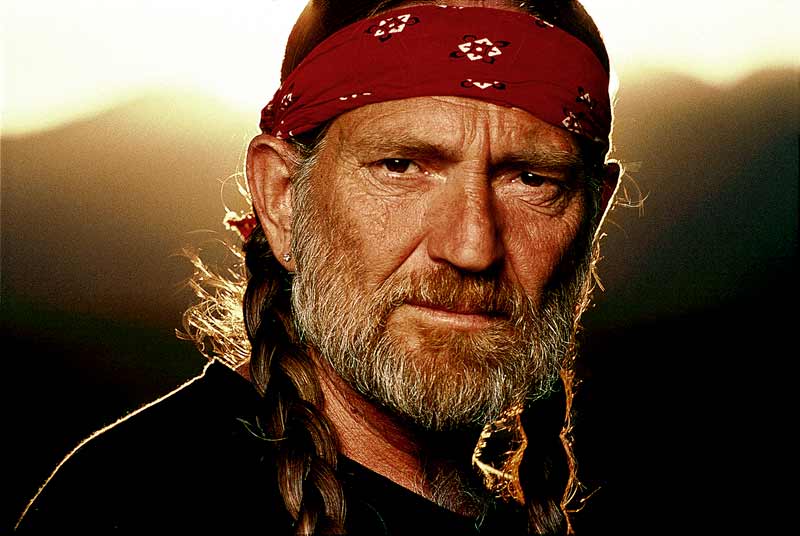
Willie Nelson and Merle Haggard’s rendition of “Pancho & Lefty,” released in 1983, is arguably the definitive version of this classic outlaw ballad, propelling the song—originally written by the brilliant but lesser-known Townes Van Zandt—to the top of the country charts. The track is a masterpiece of narrative songwriting, telling the elegiac story of two figures: Pancho, a charismatic Mexican bandit who meets a tragic end, and Lefty, his seemingly surviving, but ultimately heartbroken, partner.
The song’s power lies in its ambiguous, almost mythological narrative. It chronicles Pancho’s life and violent death “in the deserts down in Mexico,” contrasting it with Lefty’s fate: retreating to a life of quiet desperation in a “cheap hotel” in cold Cleveland. The widely accepted interpretation suggests Lefty betrayed Pancho to the federales in exchange for money, a tragic cost for his survival. The refrain, “All the Federales say / They could have had him any day / They only let him slip away / Out of kindness, I suppose,” adds a layer of fatalistic irony, implying Pancho’s demise was preordained, and Lefty’s betrayal was merely a catalyst.
The chemistry between Nelson and Haggard is central to the song’s success. Their voices, both textured by years of hard living, trade verses as if two veterans of the road are swapping an old, mournful tale. Nelson’s signature subtle guitar work and the traditional country arrangement give the story a deep, timeless gravity. By recording “Pancho & Lefty,” Nelson and Haggard not only cemented the song’s place in country music history but also elevated it into an enduring parable of camaraderie, betrayal, and the bittersweet burden of living on after a life of freedom.