Watch the video at the end of this article.
Introduction
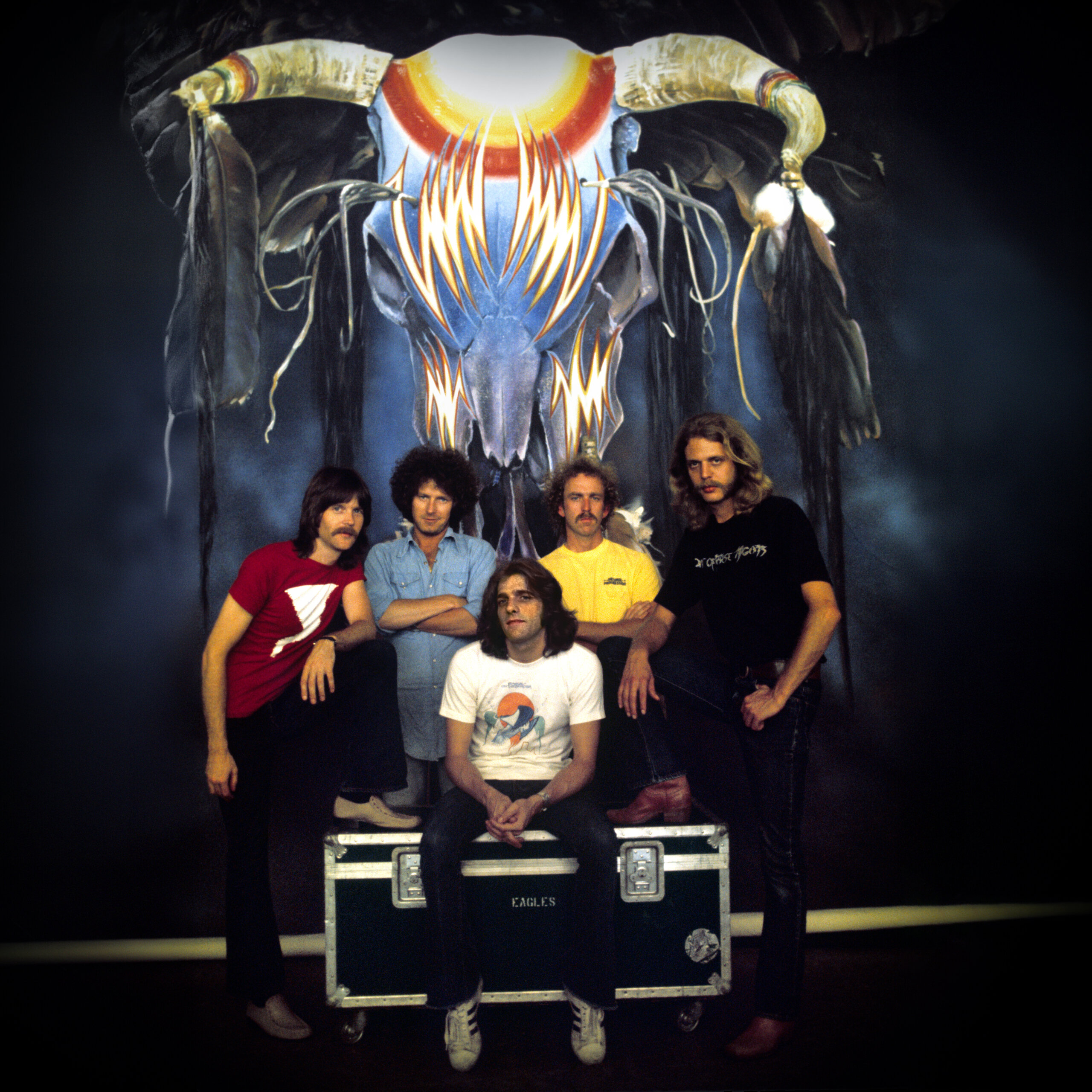
On August 2, 1975, the Eagles reached a defining milestone when “One of These Nights” climbed to No. 1 on the Billboard Hot 100. Written by Don Henley and Glenn Frey, the song became the band’s second chart-topping single, following “Best of My Love,” and confirmed that the Eagles were becoming one of the most influential American rock groups of the decade. From its mysterious opening bass line to Henley’s intense lead vocal and Don Felder’s soaring guitar solo, “One of These Nights” sounded darker, smoother, and more adventurous than much of the band’s earlier work. Frey later explained that the song reflected the contrasting forces people carry within themselves—the desire for love and connection alongside feelings of loneliness, uncertainty, and fear.
The recording also showcased the remarkable harmony that defined the Eagles’ sound. Randy Meisner’s high backing vocals added a haunting edge to the chorus, while the band blended elements of rock, country, soul, and R&B into something unmistakably their own. The title track from their fourth studio album, “One of These Nights,” marked an important transition in the Eagles’ career. They were moving beyond their country-rock beginnings toward a more polished and powerful sound that would eventually reach its peak with Hotel California.
When the single reached No. 1, it stayed there for one week, replacing Van McCoy’s “The Hustle” at the top of the chart. Its success helped make the accompanying album the Eagles’ first No. 1 album in the United States and earned the band a Grammy nomination for Best Pop Vocal Performance by a Duo, Group or Chorus.
More than five decades later, the song still carries the same hypnotic tension. Its themes of longing, temptation, and searching for something just beyond reach remain timeless. “One of These Nights” was more than another successful single—it was the moment the Eagles demonstrated that they could evolve without losing the harmonies and emotional storytelling that made audiences love them. On that summer day in 1975, they did not simply reach the top of the chart; they secured their place in rock history.